

Cargo Follow-Through: Ensuring the Best Supply Chain in Turkey
In the dynamic world of global trade, effective supply chain management is crucial for maintaining the flow of goods and ensuring timely deliveries. Turkey, strategically positioned at the crossroads of Europe and Asia, plays a pivotal role in international logistics and ocean freight. This article explores how Turkey’s ocean freight industry excels in cargo follow-through, delivering exceptional supply chain solutions and enhancing global trade connections.
The Strategic Importance of Turkey in Ocean Freight
Turkey’s unique geographical location provides a significant advantage in ocean freight. Nestled between the Mediterranean and Black Seas, with access to major maritime routes, Turkey serves as a key transit hub for cargo traveling between Europe, Asia, and the Middle East. The country’s well-developed ports, such as Istanbul, Izmir, and Mersin, are integral to its role as a logistics powerhouse.
Cargo Follow-Through in Turkey: Excellence in Action
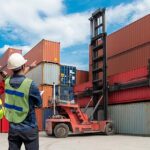
- Advanced Port Infrastructure: Turkish ports are equipped with modern facilities and state-of-the-art technology to handle large volumes of cargo efficiently. Container terminals with advanced cranes, automated systems, and extensive warehousing capabilities ensure swift processing and minimal delays.
- Integrated Logistics Solutions: Turkish logistics providers offer comprehensive services that streamline the cargo journey from port to destination. This integration includes customs clearance, inland transportation, warehousing, and distribution, providing a seamless experience for businesses and minimizing the risk of disruptions.
- Real-Time Tracking and Transparency: Embracing digital technologies, Turkish ocean freight companies utilize real-time tracking systems to monitor cargo throughout its journey. This transparency allows shippers to stay informed about the status of their shipments, manage inventory more effectively, and address potential issues proactively.
- Efficient Customs Procedures: Navigating customs regulations can be complex, but Turkey’s efficient customs procedures and experienced agents facilitate smooth processing of import and export documentation. This efficiency helps avoid delays and ensures compliance with international trade regulations.
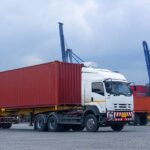
- Reliable Transportation Networks: Turkey boasts a robust network of highways, railways, and logistics hubs that connect its ports with major cities and industrial centers. This infrastructure supports timely inland transportation and enhances the overall efficiency of the supply chain.
Challenges and Solutions in Turkish Ocean Freight
- Port Congestion: While Turkey’s ports are well-equipped, congestion can still occur due to high traffic volumes. To address this, Turkey is investing in expanding port capacities, upgrading facilities, and implementing smart port technologies to enhance throughput and reduce wait times.
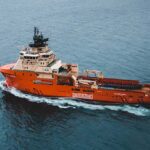
- Environmental Concerns: As part of its commitment to sustainability, Turkey’s ocean freight industry is adopting greener practices, such as improving fuel efficiency and exploring alternative fuels. These efforts aim to reduce the environmental impact of maritime transport and align with global sustainability goals.
- Navigating Regulations: Turkey’s position as a major trade hub means dealing with a complex web of international and local regulations. Turkish logistics providers are adept at managing these regulations, ensuring compliance and facilitating smooth cross-border trade.
The Future of Ocean Freight in Turkey
Turkey’s ocean freight sector is poised for continued growth and innovation. The country’s strategic investments in port infrastructure, digital technologies, and sustainable practices are shaping a future where cargo follow-through is more efficient and reliable than ever.
- Smart Port Initiatives: Future developments include the implementation of smart port technologies that leverage AI, IoT, and data analytics to optimize port operations, enhance cargo tracking, and improve overall efficiency.
- Green Shipping Innovations: Turkey is actively exploring green shipping technologies, including the use of alternative fuels and energy-efficient vessels, to reduce the environmental footprint of ocean freight and promote sustainable practices.
- Enhanced Connectivity: Investments in transportation infrastructure and logistics hubs will further enhance Turkey’s connectivity, ensuring seamless integration between sea, land, and air transport and supporting global trade networks.
Conclusion
Turkey’s role in global ocean freight is characterized by its strategic location, advanced infrastructure, and commitment to excellence in cargo follow-through. The country’s well-developed ports, integrated logistics solutions, and focus on sustainability position it as a key player in international trade. As Turkey continues to innovate and adapt to the evolving demands of global commerce, its ocean freight industry will remain at the forefront, driving efficiency and connectivity in the global supply chain.