

The Dynamic World of Truck Freight: Backbone of Modern Supply Chains
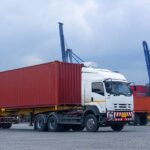
Truck freight is a vital cog in the global logistics machine, connecting manufacturers, distributors, retailers, and consumers with unparalleled efficiency and flexibility. As the most versatile mode of land transportation, trucking has become integral to supply chains, supporting economies worldwide. This article delves into the intricacies of truck freight, examining its evolution, benefits, challenges, and future prospects.
The Evolution of Truck Freight
The history of truck freight dates back to the early 20th century when trucks began to complement rail transport, offering a more flexible solution for moving goods. Initially used for local deliveries, trucks evolved with advancements in technology and infrastructure. The introduction of long-haul trucking and the development of an extensive highway network revolutionized logistics, allowing for efficient transportation across regions and countries.
The latter part of the 20th century saw the emergence of specialized freight trucks and logistics management systems, further enhancing the efficiency of road transport. Innovations such as GPS tracking, electronic logging devices (ELDs), and advanced route planning have streamlined operations and improved the reliability of truck freight services.
Benefits of Truck Freight
- Flexibility and Accessibility: Trucks offer unmatched flexibility, capable of reaching locations that are inaccessible to other forms of transport. This accessibility is particularly valuable for delivering goods directly to businesses or residences and navigating regional and rural areas.
- Efficiency and Speed: While not as fast as air freight, trucks are often quicker than rail transport, especially for shorter distances. The ability to transport goods door-to-door reduces handling times and minimizes delays.
- Cost-Effectiveness: For many shippers, truck freight offers a cost-effective solution compared to rail or air transport, particularly for smaller shipments or those not requiring expedited delivery.
- Real-Time Tracking: Modern trucks are equipped with sophisticated tracking systems, allowing for real-time monitoring of shipments. This transparency enhances security and enables better coordination and management of logistics operations.
- Adaptability: Trucks can be customized to handle a wide range of cargo, from temperature-sensitive goods in refrigerated trucks to oversized items in specialized trailers. This adaptability makes them a versatile option for various industries.
Challenges Facing Truck Freight
- Traffic Congestion: One of the significant challenges in trucking is traffic congestion, which can lead to delays and increased fuel consumption. Efficient route planning and real-time traffic updates are essential for mitigating this issue.
- Regulatory Compliance: Truck freight operators must navigate a complex web of regulations, including weight limits, driver hours, and safety standards. Compliance requires ongoing attention and can impact operational efficiency.
- Environmental Impact: Trucks contribute to greenhouse gas emissions and air pollution. The industry is increasingly focusing on reducing its environmental footprint through initiatives like adopting alternative fuels, improving fuel efficiency, and investing in electric and hybrid trucks.
- Driver Shortages: The trucking industry faces a chronic shortage of qualified drivers, exacerbated by an aging workforce and challenging working conditions. Attracting and retaining drivers remains a critical issue for the sector.
Future Prospects for Truck Freight
The future of truck freight is poised for transformation with several emerging trends and technologies:
- Autonomous Vehicles: Self-driving trucks promise to revolutionize the industry by enhancing safety, reducing operational costs, and addressing the driver shortage. While fully autonomous trucks are still in development, advancements in driver-assistance technologies are already making an impact.
- Green Technologies: The push for sustainability is driving innovations in green technologies, including electric trucks and alternative fuels like hydrogen. These advancements aim to reduce the environmental impact of trucking and support more sustainable logistics practices.
- Smart Logistics: The integration of artificial intelligence (AI), big data, and the Internet of Things (IoT) is enhancing logistics management. These technologies enable better route optimization, predictive maintenance, and more efficient supply chain coordination.
- Enhanced Connectivity: The proliferation of 5G technology and advanced communication systems will further improve real-time tracking, data sharing, and overall efficiency in truck freight operations.
Conclusion
Truck freight remains a cornerstone of modern logistics, offering flexibility, efficiency, and accessibility that are crucial to global supply chains. While facing challenges related to congestion, regulation, and environmental impact, the industry is evolving with technological advancements and sustainable practices. As trucking continues to adapt and innovate, it will undoubtedly maintain its pivotal role in connecting markets and driving economic growth.